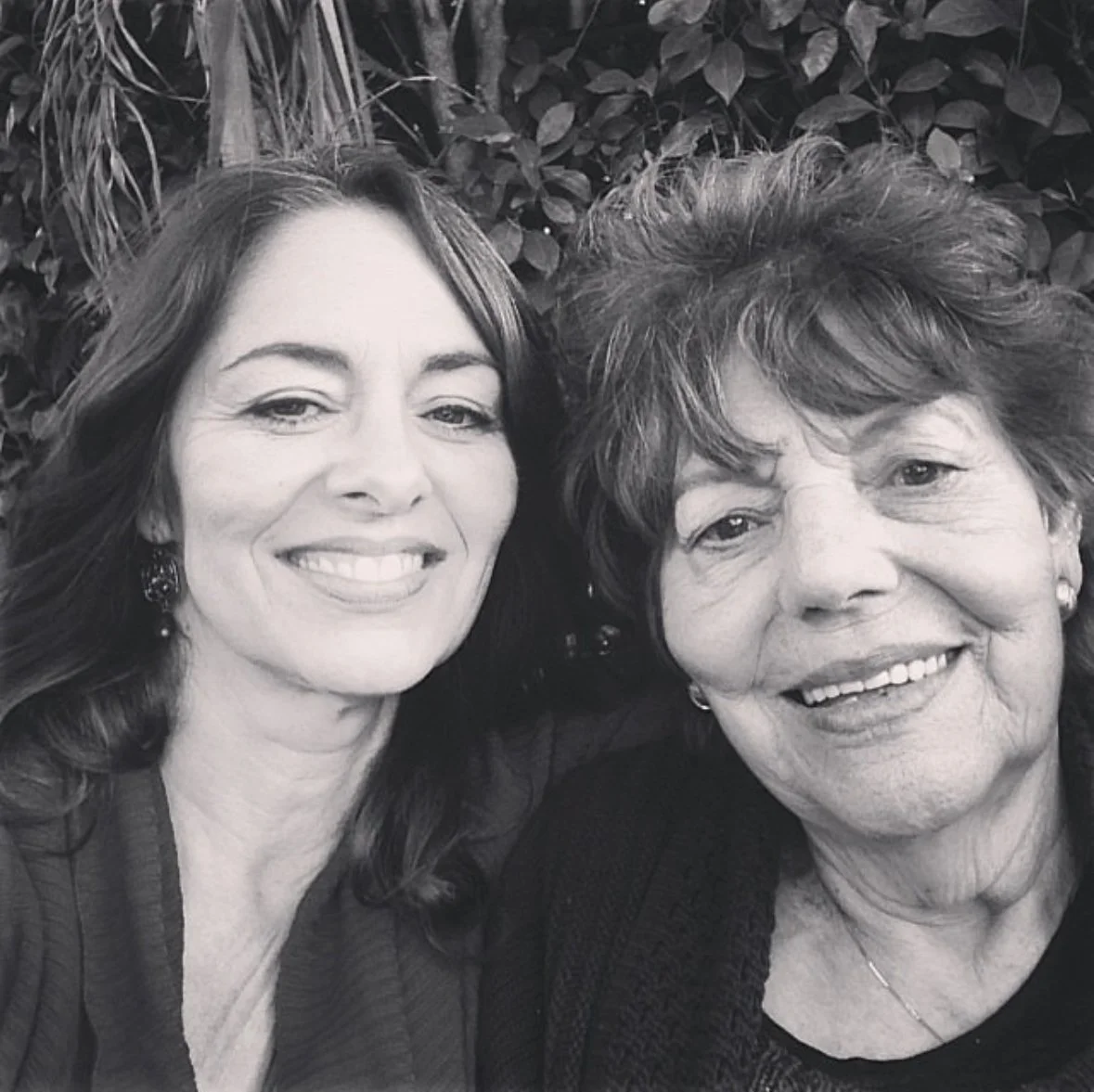
My Mother’s Trousseau: Havana, 1960
She stood in the shoe store holding the purse,
the first purchase of the trip
Poetry and Tragedy
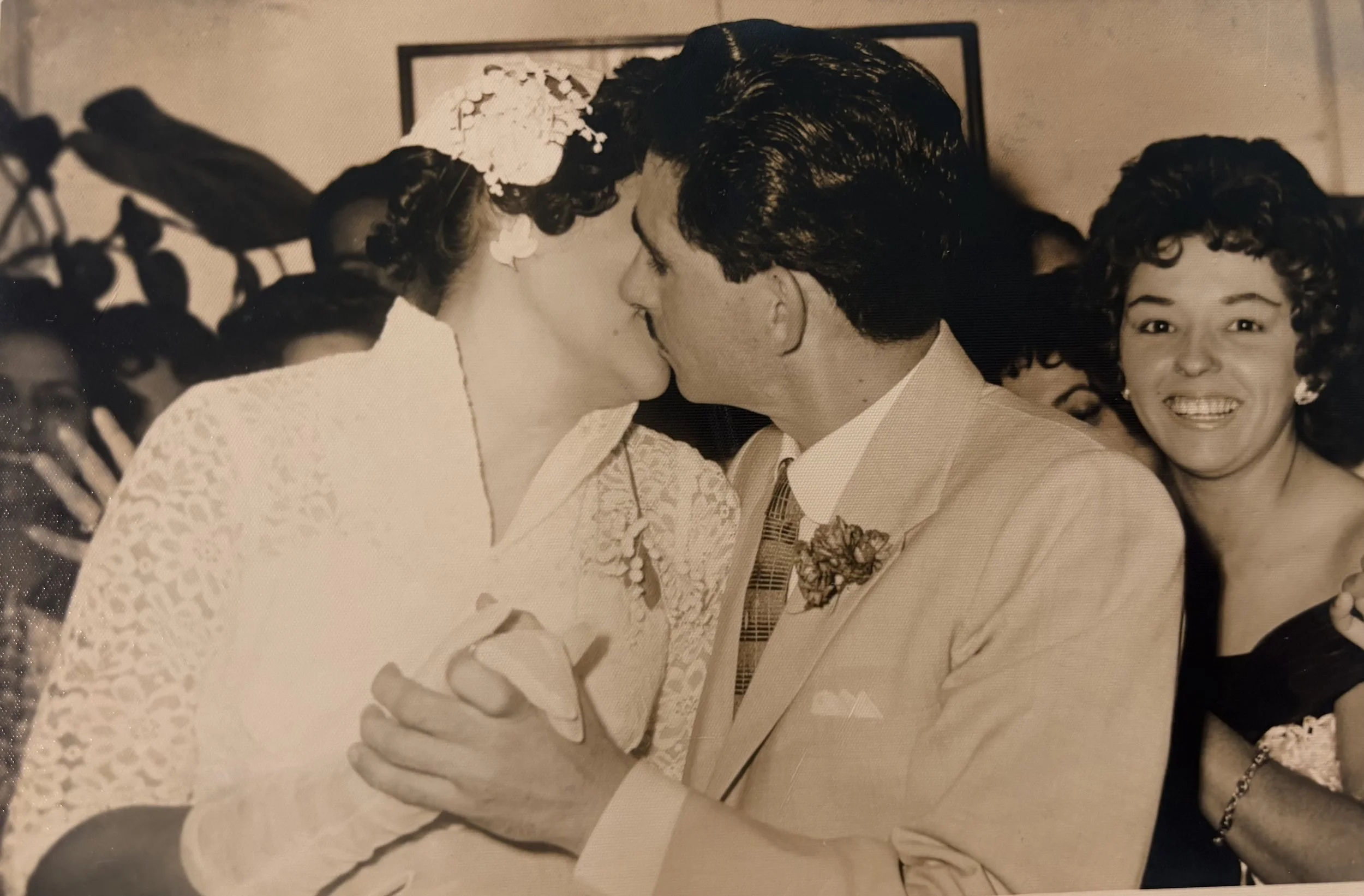
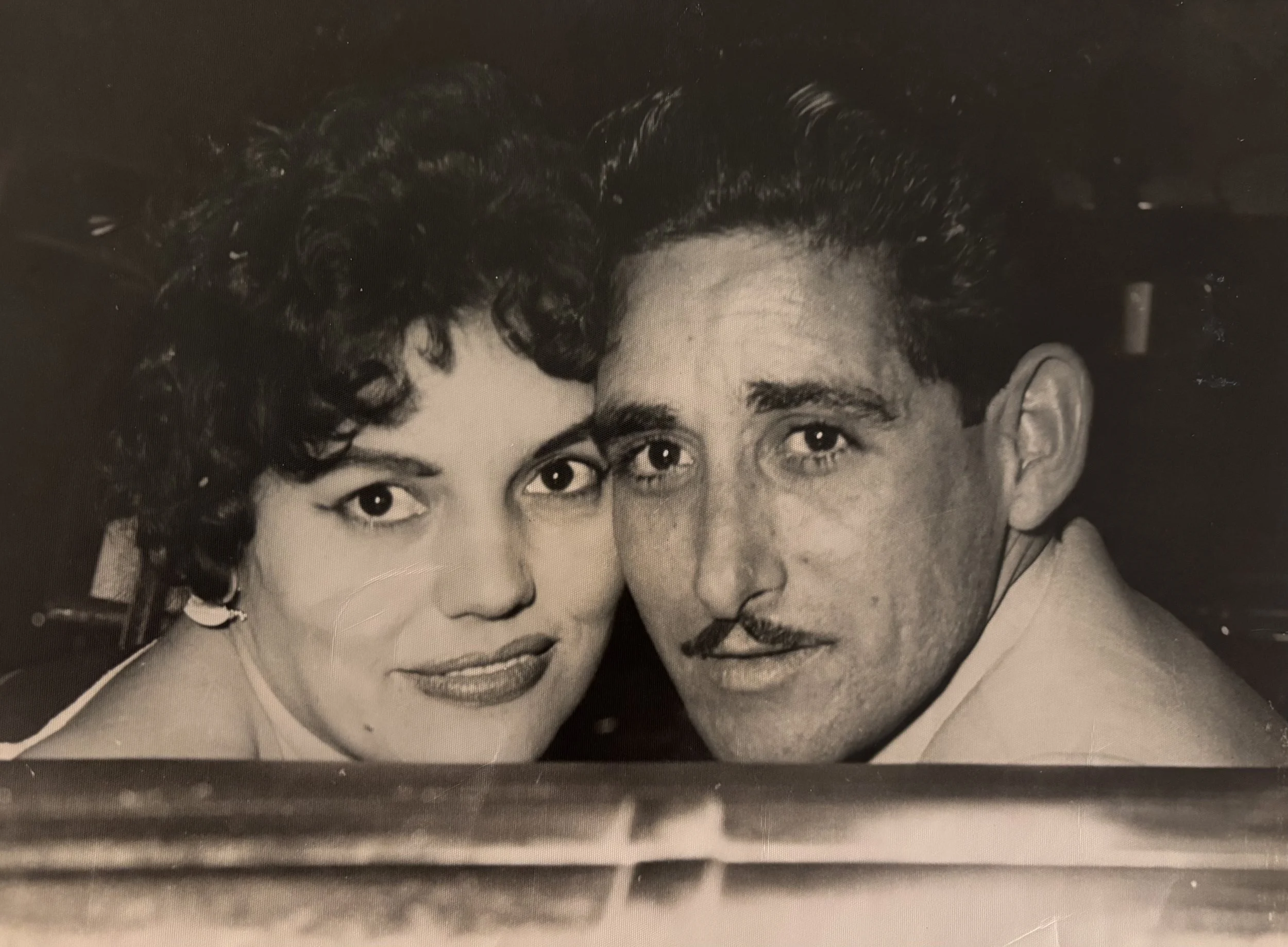
My father wooed my mother in the summer of 1959, a few months after what the communists call El triunfo de la revolución (The Triumph of the Revolution).
Cuba’s Music
Music means many different things to the Cuban people: for some, it’s tradition, and for others, rebellion; for some, it brings joy, and for others, sorrow; in some, it incites a nostalgia for an idealized past, and in others, a desperate cry for change.
Stories That Survive Us
My mother died last month. She was ninety-seven, so I can’t say it was a surprise.
Rhyming Histories
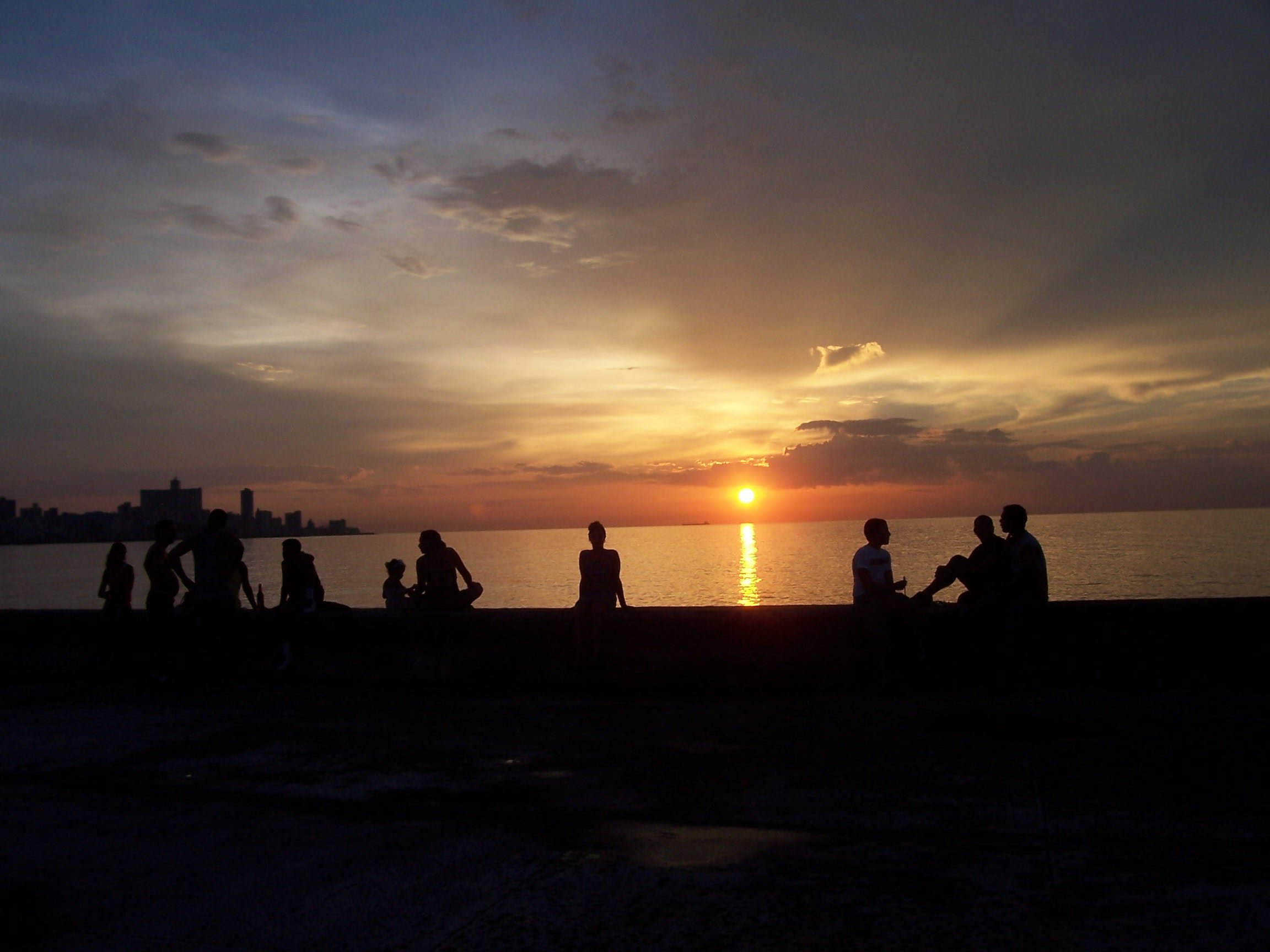
As a Cuban expatriate, I worry about my family and countrymen that I left behind. Anyone who’s been keeping up with the news has seen the footage of people in Havana fighting for water and food. Not since the Special Period of the early 90’s has Cuba faced such a crisis.
The Special Period (so named by Fidel) began after the collapse of the Soviet Union in 1989. The Russians abandoned the island, taking their gas and food subsidies with them. Cuba had no gas to power the farming machinery or to produce the fertilizer needed to grow crops. It could not fuel the trucks, ships, and planes to move produce to markets and homes. The first President Bush responded by tightening the embargo, hoping that the people would rebel and overthrow the communist regime. They came close, but no Cuban cigar.
Here in the richest country in the world, we are now experiencing our own fuel shortage. We pay higher prices at the pump and consequently everywhere else. The members of the middle class might have to cancel a vacation or limit the frequency of restaurant meals and lattes, while our poor, of which there are many, will have to make much harder choices. But the citizens of the third world, developing countries, and failed states (like my Cuban countrymen) will have no choice at all but to turn to violence at home or to leave for some first world nation that doesn’t want them. Fight or flight.
Thirty years ago, Fidel managed to quell the uprising with his tight fist and inventive form of capitalism. He legalized foreign cash and opened the country to tourism. (The resulting explosion of sex tourism should have surprised no one.) He then turned to Venezuela for oil. The communist president, Hugo Chavez, had always been an admirer of Castro, and thus he happily challenged the US embargo, taking up the void that the Russians had left behind. Given the recent military action in Venezuela, this avenue has also closed.
Cuba’s current crisis may be worse than the Special Period. Weakened by the paralysis of the pandemic, the tightening of the embargo, and the constant onslaught of one devastating storm after another in the 2020’s, the communist regime may soon implode, falling to an uprising of its hungry people. Or perhaps it will be toppled from the outside —by an army of Cuban expatriates willing to kill and die for the dream of a free Cuba, or by a platoon of US soldiers following orders into another “excursion.”
They say that history doesn’t repeat itself, but it rhymes. The Special Period and this era that is yet to be named are rhyming in my ears.